Firearm & San Diego CCW Training | Focal Point Academy

Not everyone wants a firearm for personal protection.
Some individuals seek a defensive option that provides distance and deterrence without introducing lethal force.
Less-lethal tools such as pepper spray, conducted electrical weapons (tasers), and CO₂-powered launchers like those produced by BYRNA Technologies are often considered for this purpose.
Before purchasing or carrying any defensive device in California, understanding the law is essential.
This guide explains:
Responsible protection begins with legal clarity.
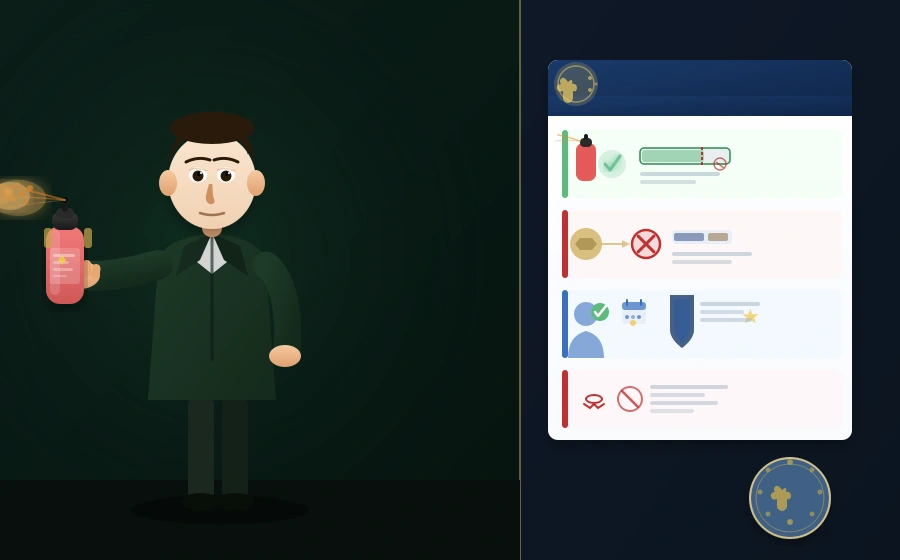
Chemical irritants in California are regulated under California Penal Code §22810.
You may read the full statute here:
https://leginfo.legislature.ca.gov (Search: Penal Code 22810)
Key statutory language from §22810 states:
“Notwithstanding any other provision of law, any person may purchase, possess, or use tear gas or any tear gas weapon for the projection or release of tear gas if the tear gas or tear gas weapon is used solely for self-defense purposes…”
However, that allowance includes restrictions.
Under §22810:
✔ The device must be an aerosol spray device
✔ The container must not exceed 2.5 ounces net weight
✔ The user must not be a felon
✔ The user must not be addicted to narcotics
✔ The device must be used solely for self-defense
The statute also specifies:
“No person shall purchase, possess, or use any tear gas weapon that expels a projectile.”
This line is critical.
California law distinguishes between:
That distinction matters when evaluating projectile systems such as pepper balls or CS rounds.
Under §22810, civilians may possess tear gas devices designed as aerosol sprays within the statutory size limits.
Devices that expel tear gas by projectile fall outside this civilian allowance.
This distinction creates legal uncertainty for:
Because the statute specifically prohibits projectile tear gas weapons for civilian possession, individuals should exercise extreme caution before relying on projectile-based chemical irritant systems in California.
When in doubt, consult current statutory language directly.
Oleoresin Capsicum (OC):
• Derived from pepper
• Common in civilian aerosol spray devices
• Generally permitted within size limits
CS (Ortho-chlorobenzylidene malononitrile):
• Synthetic tear gas
• More tightly regulated
• Often associated with law enforcement deployment
California law regulates tear gas broadly, and classification may depend on formulation and delivery method.
Always verify the chemical classification and delivery system before purchase.
Under Penal Code §22810:
✔ Maximum civilian size: 2.5 ounces (net aerosol weight)
✔ Must be labeled properly
✔ Must be used solely for lawful self-defense
There is no requirement for a training certificate for standard consumer aerosol pepper spray within statutory limits.
However:
Misuse can result in assault charges.
The law allows possession — not reckless deployment.
Chemical agent authority for security professionals is regulated by the
California Bureau of Security and Investigative Services.
Security guards must obtain a BSIS Chemical Agent Permit to carry OC spray while on duty for a licensed Private Patrol Operator (PPO).
Important distinctions:
Failure to comply with semi-annual training or permit renewal can result in loss of authority.
Professional authorization and civilian authorization are separate legal frameworks.
Conducted electrical weapons are regulated under California Penal Code §22610.
You may review the statute here:
https://leginfo.legislature.ca.gov (Search: Penal Code 22610)
Under §22610:
✔ Adults may purchase and possess stun guns or tasers
❌ Felons are prohibited
❌ Misuse is criminal
As with chemical agents:
Legal possession does not equal lawful use in every circumstance.
Deployment must meet lawful self-defense standards.
Bear spray is typically:
Using bear spray against a person may:
Bear spray is not a substitute for compliant personal defense aerosol devices.
California self-defense law applies equally to:
The legal standard remains:
Less-lethal tools reduce lethality.
They do not eliminate legal responsibility.
Less-lethal tools may be appropriate for:
But suitability depends on:
A device without training can create false confidence.
Responsible preparation reduces risk.
Focal Point Academy provides structured education covering:
We do not promote aggressive use of defensive tools.
We promote informed responsibility.
If you are considering pepper spray, taser devices, or evaluating less-lethal options, schedule instruction before carrying.
Understanding the law first protects you later.
[Learn More About Less-Lethal Training]
[Schedule a Consultation]
[Contact Focal Point Academy]
California law permits certain defensive tools — but only within specific statutory limits.
Before carrying:
Protection without responsibility creates liability.
Protection with preparation creates confidence.