Firearm & San Diego CCW Training | Focal Point Academy

Part of the Focal Point Academy Safety & Compliance Resource Center.
If you are considering applying for a Concealed Carry Weapon permit in California, you likely have one primary objective:
To complete the process correctly and efficiently — without unnecessary delays.
The California CCW process is structured, regulated, and documentation-driven. Small errors can extend timelines, increase costs, or require resubmission.
This guide walks you through the entire process step by step using official state and county resources so you understand:
All CCW permits operate under laws overseen by the California Department of Justice.
Clarity reduces uncertainty. Uncertainty causes hesitation. This guide eliminates both.
This guide is written for:
If you value compliance, preparation, and responsibility, this is where you start.
A CCW permit authorizes a qualified individual to carry a concealed handgun in public, subject to state law and county-specific restrictions.
Permits are issued by your local sheriff’s office.
For Southern California applicants:
Always verify procedures directly through your issuing authority.
To apply in California, you must:
Review firearm eligibility guidelines here:
California DOJ Firearm Prohibition Guidelines
Many applicants feel unsure about past incidents or arrests. Full disclosure is required. If you are uncertain, consult your issuing authority before submission — preparing early prevents delays.
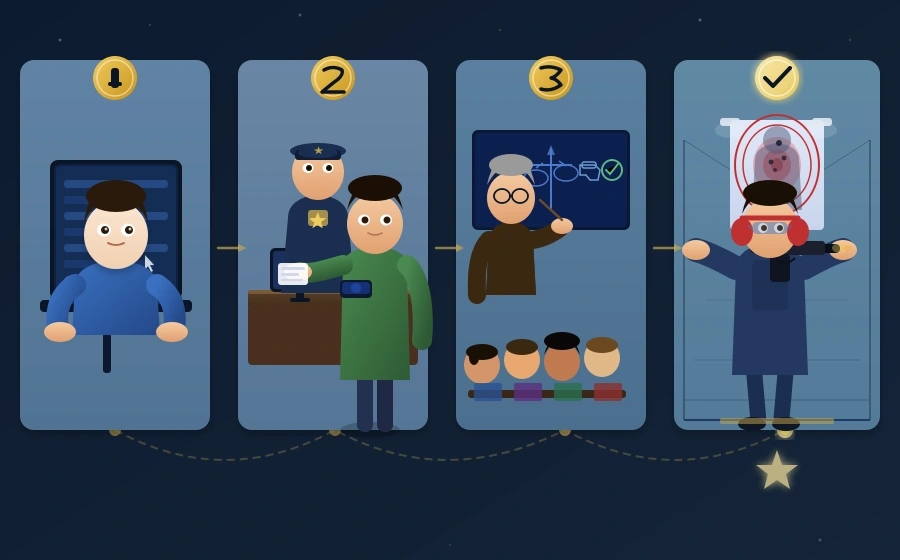
Applications are filed through your county sheriff’s licensing portal.
Applicants must provide:
Incomplete or inaccurate documentation is one of the most common causes of delay.
When your application is accepted, you are generally scheduled for an in-person interview at the sheriff’s licensing office.
At that interview, applicants typically complete:
Since Live Scan is conducted by the sheriff’s office during the interview visit, no separate fingerprint appointment is required for most applicants.
California Penal Code §26165 requires 16 hours of training for new applicants. Statutory references available via the following link: California State Legislature to the following:
“California Penal Code §26165 requires a minimum of 16 hours of training for new CCW applicants and at least 8 hours for renewal applicants.
View the full statutory language here::
https://codes.findlaw.com/ca/penal-code/pen-sect-26165/
California allows the classroom portion of CCW training to be delivered online when structured in compliance with issuing standards.
Focal Point Academy is one of a very limited number of providers in San Diego County authorized to deliver compliant online CCW classroom instruction.
For professionals with demanding schedules, this provides flexibility without sacrificing compliance.
Benefits of Online Classroom Instruction:
Live-fire qualification is still completed in person under supervision.
[View Online CCW Course Options]
Each county establishes its own live-fire qualification standards. Applicants must qualify with each firearm they intend to list on their permit.
Always verify the most current standards directly with your issuing authority.
Official reference:
San Diego County Sheriff – CCW Licensing Division
For San Diego County applicants:
First Firearm Listed:
• 70 rounds practice
• 15 rounds pre-qualification
• 15 rounds live qualification
• Total: 100 rounds
Each Additional Firearm:
• 15 rounds pre-qualification
• 15 rounds live qualification
• Total: 30 rounds per additional firearm
Qualification Distances:
• 7 yards
• 5 yards
• 3 yards
Applicants must meet the minimum passing standard established by the issuing authority.
Structured preparation is critical. Qualification is not simply about accuracy — it includes safe handling, firearm manipulation, and consistent shot placement under supervision.
Official reference:
Riverside County Sheriff – CCW Unit
For Riverside County applicants:
Qualification Course:
• 6 rounds at 15 yards
• 6 rounds at 10 yards
• 6 rounds at 5 yards
This qualification is completed for each firearm listed on the permit.
Applicants must demonstrate safe loading, unloading, and firearm handling procedures in addition to meeting minimum accuracy standards.
Fees vary by county but generally include:
Application Fee (Sheriff):
Approximately $100 to $150
Live Scan & Processing Fees:
Often included with interview visit
Training Course Fee:
Varies by provider
Estimated total cost:
$300 to $500 depending on county and provider.
Verify current fee structures:
Under California law, issuing authorities are required to act on CCW applications within 90 days of receipt. This includes:
This 90-day window is a statutory guideline, not merely an estimate. Applicants who complete required training early and submit properly documented applications are generally processed more smoothly.
Processing timelines vary by county based on volume and staffing.
The process itself is procedural — following the steps carefully prevents setbacks.
CCW permits in California are generally valid for 2 years. This year, updated renewal guidelines require permit holders to begin the renewal process no later than 90 days before expiration.
Renewal requirements typically include:
Always verify renewal policies with your issuing agency:
Failure to renew within the required timeframe may require re-application.
Focal Point Academy also provides non-resident CCW qualification courses for eligible applicants seeking lawful carry privileges in other states.
Non-resident permits may provide:
Each state maintains its own eligibility requirements and reciprocity agreements. Applicants are responsible for verifying current reciprocity status.
If you are exploring lawful carry beyond California:
Responsible applicants understand that:
Carrying concealed is a legal responsibility, not a casual decision.
Training should emphasize:
Focal Point Academy serves applicants throughout:
Class sizes are intentionally limited to ensure oversight and structured instruction.
We are not a high-volume range environment.
We are a compliance-driven training provider focused on doing the process correctly.
If you are preparing to apply for your California CCW permit, structured preparation is one of the most important steps in the process.
Whether you choose in-person instruction or our compliant online classroom option, our courses are designed to align with county standards.
If you are unsure whether you qualify, or have questions about your next step, contact us — we will help clarify the pathway forward.